
Introduction
When a company accidentally leaks half a million lines of its own code, the obvious reaction is concern.
But when it happens more than once, and the leaked material doesn’t appear to cause real damage, people start asking a different kind of question:
Was this really an accident?
That’s the situation surrounding Anthropic and its AI assistant Claude in 2026.
What initially looked like a routine mistake has now evolved into a broader discussion about AI security, operational discipline—and even strategic intent.
The 2026 Claude Code Leak: What Happened
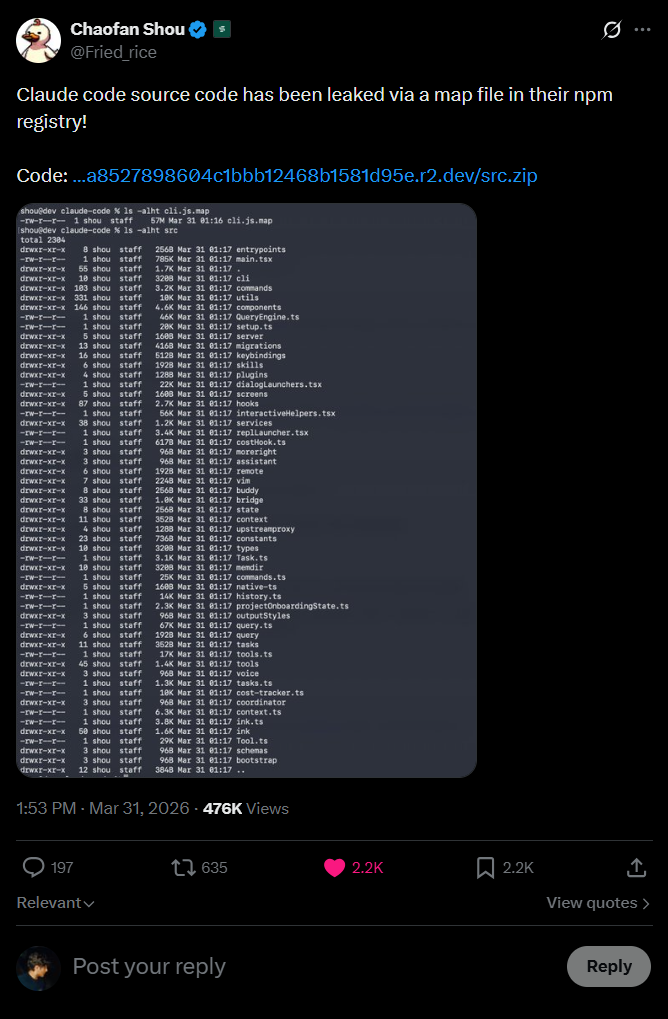
On March 31, 2026, during a routine release:
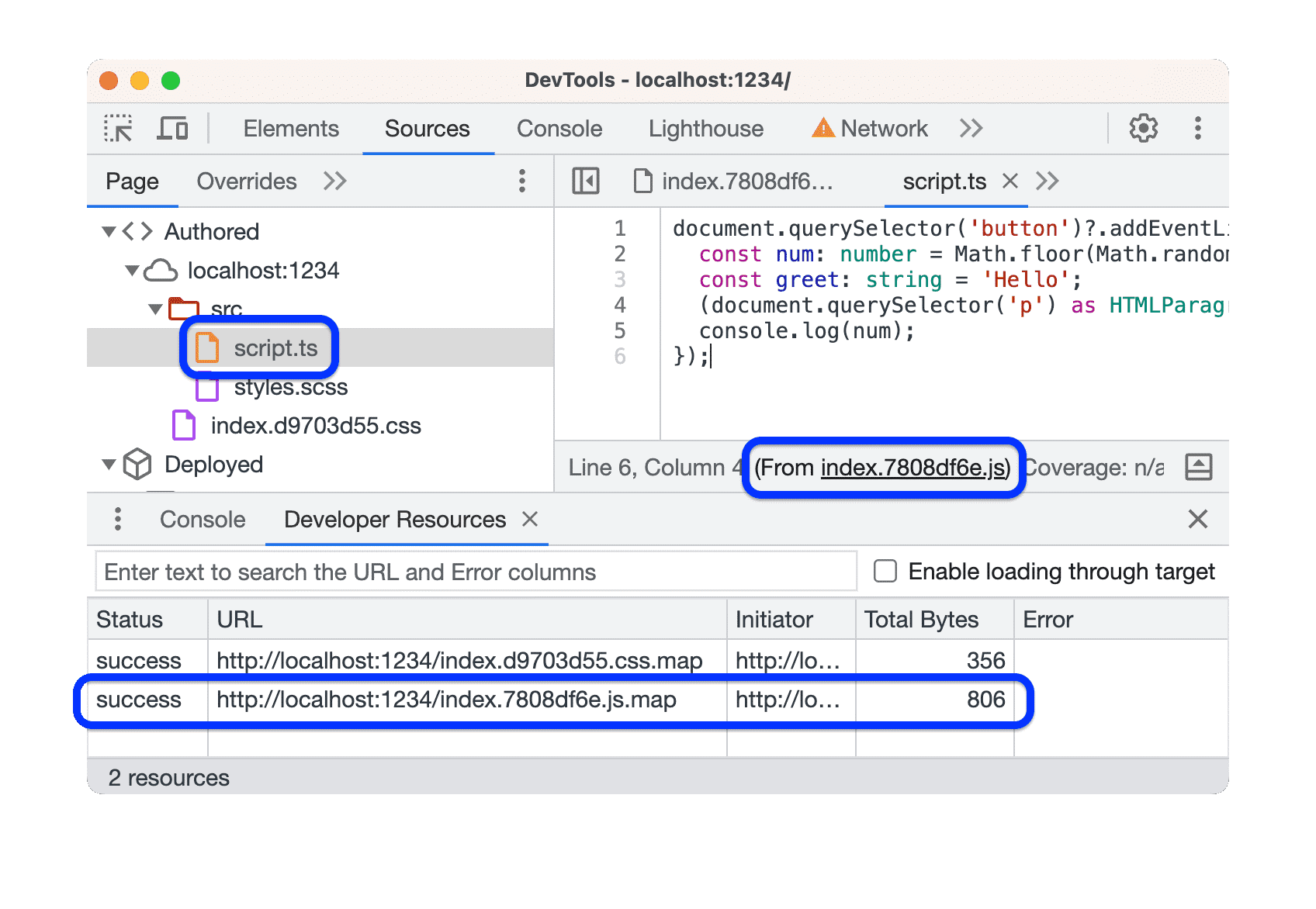
- A debug/source map file was mistakenly included
- That file exposed a public archive
- The archive contained:
- ~500,000+ lines of internal code
- Nearly 2,000 files
- Core logic of “Claude Code”
There was:
- No external breach
- No hacking
- No exploit
Just a release pipeline failure
What Was Actually Exposed?
From a technical standpoint, the leak was significant—but controlled.
What was visible:
- AI agent orchestration logic
- Internal tooling and workflows
- Experimental features and roadmap hints
- Autonomous agent behaviors
What was NOT exposed:
- Customer/user data
- API keys or credentials
- Core model weights
This distinction becomes important later.
The Earlier Incident Most People Ignored
Before this large-scale leak, there was already a smaller incident involving:
- Internal system prompts
- Behavioral tuning instructions
- Fragments of Claude’s internal configuration
At the time, it didn’t trigger major concern.
But now, viewed alongside the 2026 leak, it suggests:
This wasn’t a one-off error—it may reflect a pattern of exposure risk
The Internet Reaction: Faster Than Control
Once discovered:
- The code spread across GitHub within hours
- Thousands of forks appeared
- Developers began analyzing and replicating it
Anthropic responded quickly:
- Issued mass DMCA takedowns
- Removed thousands of repositories
But as expected:
Once code is public, containment becomes theoretical—not practical
The Controversial Theory: Was This Intentional?
Now to the part that’s fueling the most debate.
Across developer communities, a theory started circulating:
The claim:
This leak may have been a deliberate or semi-deliberate marketing move
The reasoning behind it:
- No Critical Damage
- No sensitive user data exposed
- No credentials leaked
- No core models compromised
- Selective Exposure
- Only tooling and orchestration layers were revealed
- Not the core proprietary intelligence
- Massive Visibility
- The leak generated global attention
- Developers deeply engaged with Claude’s ecosystem
- Free analysis, feedback, and reverse engineering
- Developer Adoption Boost
- Engineers explored Claude Code internals
- Some recreated versions
- Others integrated similar ideas
From a purely strategic lens, this resembles:
A high-risk, high-reach “forced transparency” campaign
Reality Check: Is the Marketing Theory Valid?
It’s important to stay grounded here.
There is no official evidence that Anthropic intentionally leaked the code.
More likely explanation:
- Weak release controls
- Process gaps
- Human error
However…
The situation creates an unusual contradiction:
- The leak was large
- The spread was massive
- But the actual damage was surprisingly limited
This gap is exactly why the theory exists.
Why This Incident Still Matters (Regardless of Intent)
Whether accidental or not, the implications are real.
1. Operational Security Is Now a Core Risk
AI companies are no longer just research labs.
They are:
- Infrastructure providers
- Platform ecosystems
- Critical technology vendors
Which means:
Process failures = strategic failures
2. Intellectual Exposure Is Still Exposure
Even without sensitive data:
- Competitors gain architectural insights
- Internal design philosophy becomes visible
Future direction gets partially revealed
3. Trust Is Built on Consistency
One incident → acceptable
Repeated incidents → questionable
This is where the earlier leak becomes significant.
4. The Industry Is Watching Closely
This incident has triggered:
- Internal audits across AI companies
- Stronger DevOps scrutiny
- Discussions about secure AI deployment pipelines
Bigger Picture: What This Reveals About AI Today
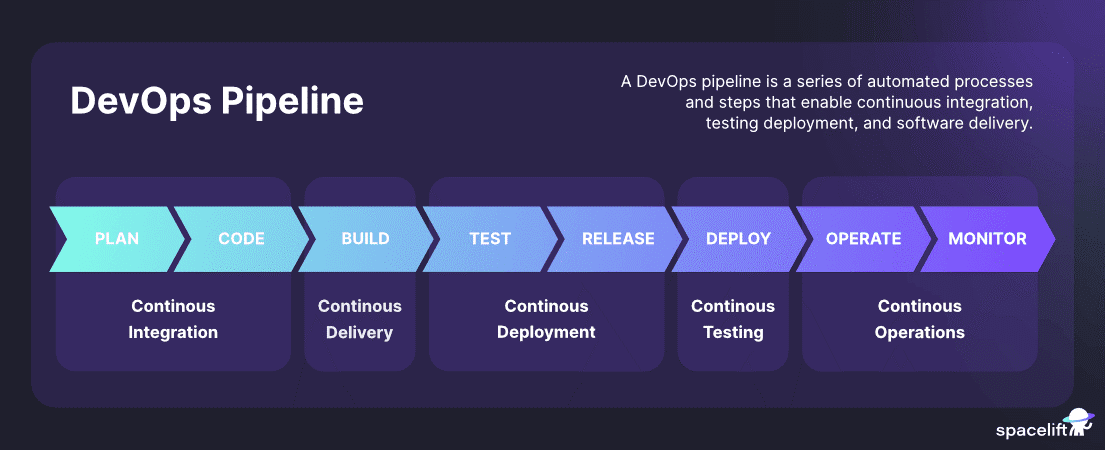
AI companies today are:
- Extremely advanced in model intelligence
- Rapid in product iteration
- But sometimes lagging in operational maturity
That imbalance is becoming visible.
Key Takeaways
1. Not All Leaks Are Equal
This one avoided critical damage—but still exposed valuable IP.
2. Patterns Matter More Than Incidents
The previous leak changes how this one is interpreted.
3. Narrative Shapes Perception
Even if accidental, repeated leaks invite alternative explanations.
4. Security Must Scale with Innovation
AI systems are only as secure as the processes around them.
Conclusion
The Claude Code leak sits in an uncomfortable gray area.
- Too large to ignore
- Too controlled to feel catastrophic
- Too repeated to dismiss completely
Whether it was:
- A mistake
- A systemic weakness
- Or something more strategic
One thing is clear:
In the AI era, what leaks can matter as much as what ships